Understanding Bulk PAT Testing Rates
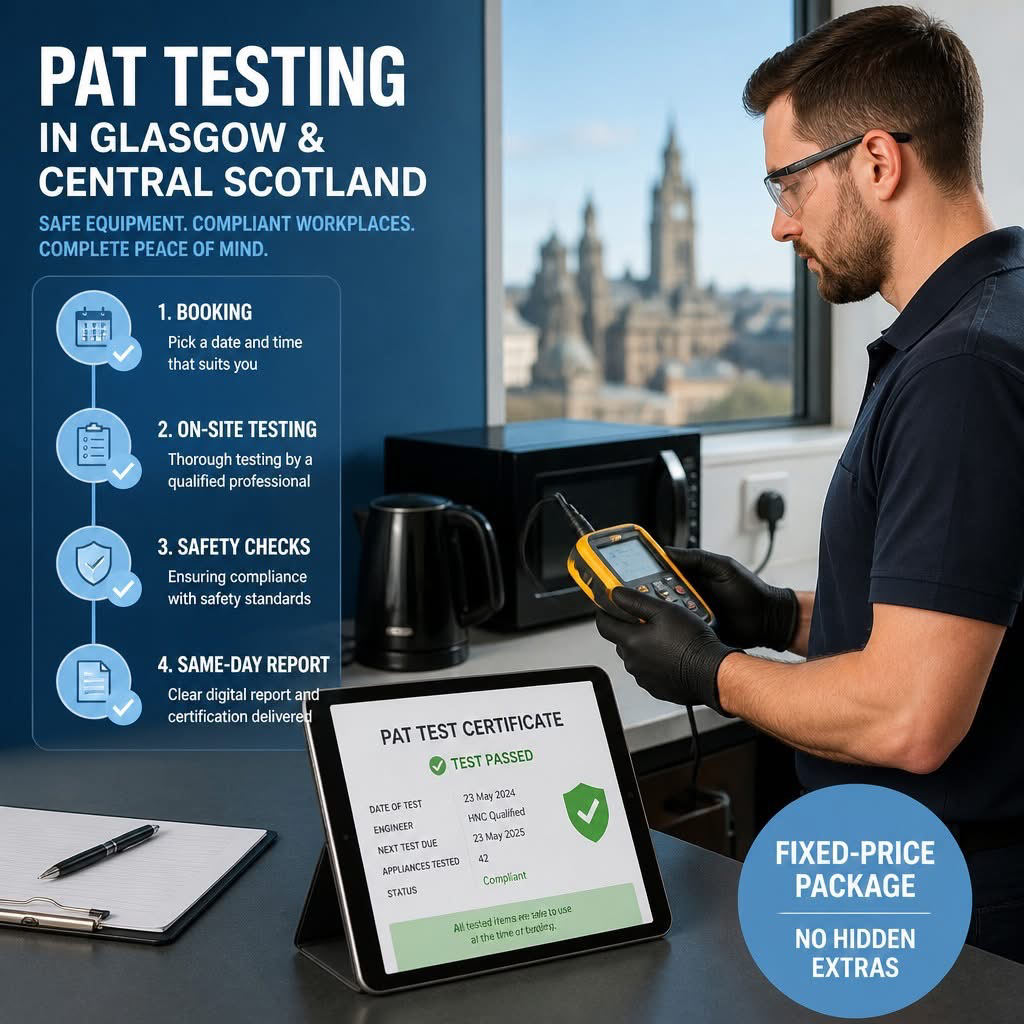
When managing multiple properties or a large number of electrical appliances, understanding bulk PAT testing rates is essential. It helps you budget effectively and ensures your equipment remains safe and compliant with regulations. In this post, I will walk you through the key aspects of bulk PAT testing, explain how rates are determined, and offer practical advice on managing your testing needs efficiently.
What Is Bulk PAT Testing and Why Does It Matter?
Portable Appliance Testing (PAT) is a process that checks the safety of electrical appliances to prevent accidents and ensure compliance with health and safety laws. When you have many appliances across several locations, bulk PAT testing becomes a practical solution.
Bulk PAT testing means testing a large number of appliances in one go, often at multiple sites. This approach is cost-effective and time-saving compared to testing appliances individually or sporadically.
The importance of bulk PAT testing lies in:
Safety: Regular testing reduces the risk of electrical faults that could cause fires or injuries.
Compliance: It helps meet legal requirements, avoiding fines or insurance issues.
Efficiency: Scheduling bulk testing minimizes disruption to your business or tenants.
Understanding how bulk PAT testing rates are calculated can help you plan better and avoid unexpected costs.

Factors Influencing Bulk PAT Testing Rates
Bulk PAT testing rates vary depending on several factors. Knowing these can help you negotiate better deals and understand what you are paying for.
Number of Appliances
The more appliances you have, the lower the cost per item usually becomes. Testing 10 appliances might cost more per unit than testing 100 because of the economies of scale.
Type of Appliances
Different appliances require different levels of testing. For example:
Simple items like lamps or kettles are quicker and cheaper to test.
Complex equipment such as computers or industrial machinery may take longer and cost more.
Location and Accessibility
If your appliances are spread across multiple sites or difficult to access, this can increase the cost. Travel time and logistics are factored into the rates.
Frequency of Testing
Regular testing contracts often come with discounted rates. If you schedule PAT testing annually or biannually, you might get better bulk rates than one-off testing.
Certification and Reporting
Some providers include detailed certification and reports in their pricing. These documents are essential for compliance but may add to the cost.
Qualifications of the Tester
Choosing a qualified tester, such as an HNC-qualified engineer, ensures thorough and reliable testing. While this might cost more upfront, it reduces the risk of missed faults and potential liabilities.
Understanding these factors helps you make informed decisions and ensures you get value for your money.
Can I Do My Own PAT Testing for My Business?
Many business owners and landlords wonder if they can carry out PAT testing themselves to save money. The short answer is yes, but there are important considerations.
What You Need to Know
Training: You must be properly trained to perform PAT testing safely and accurately. This includes understanding electrical safety, testing procedures, and how to interpret results.
Equipment: You will need to invest in a reliable PAT testing device. These can range from basic models to advanced testers with detailed reporting features.
Time: Testing appliances yourself can be time-consuming, especially if you have many items.
Liability: If testing is not done correctly, you could face legal or insurance issues if an accident occurs.
When It Makes Sense to DIY
If you have a small number of appliances.
If you have the time and willingness to learn.
If you want to perform interim checks between professional tests.
When to Hire a Professional
For large-scale or bulk PAT testing.
When you need detailed certification and compliance documentation.
If you want peace of mind knowing a qualified engineer has done the job.
In many cases, hiring a professional for bulk PAT testing is more cost-effective and reliable, especially when considering the risks and time involved.

How to Get the Best Value for Bulk PAT Testing
To make the most of your investment in bulk PAT testing, consider these practical tips:
1. Plan Ahead
Schedule your PAT testing well in advance. This allows providers to allocate resources efficiently and may help you secure better rates.
2. Group Appliances by Location
If possible, group your appliances by site or building. This reduces travel time and logistical costs for the tester.
3. Keep an Updated Inventory
Maintain a detailed list of all electrical appliances, including their age and condition. This helps the tester prepare and can speed up the process.
4. Ask for Transparent Quotes
Request detailed quotes that break down costs by appliance type, location, and any additional services like certification.
5. Consider Long-Term Contracts
If you require regular testing, negotiate a contract for multiple visits. This often results in discounted bulk PAT testing prices.
6. Verify Qualifications
Ensure the tester is qualified and experienced. This guarantees compliance and reduces the risk of errors.
7. Review Reports Carefully
After testing, review the reports and act promptly on any recommendations. This keeps your equipment safe and compliant.
By following these steps, you can ensure your bulk PAT testing is both cost-effective and thorough.
Understanding Bulk PAT Testing Rates in Central Scotland
In regions like Glasgow, Paisley, Lanarkshire, Falkirk, and Greenock, the demand for bulk PAT testing is growing. Businesses and landlords here face unique challenges such as multiple properties and diverse appliance types.
Rates in Central Scotland tend to reflect:
The density of properties in urban areas.
The availability of qualified testers.
Local compliance requirements and standards.
When seeking bulk PAT testing services, it’s important to work with providers who understand the local context and can offer tailored solutions.
For example, a landlord managing several flats in Glasgow might benefit from a provider who can schedule testing visits efficiently across all properties, reducing travel costs and downtime.
If you want to explore competitive bulk pat testing prices in your area, it’s worth comparing quotes and checking the credentials of testers.
Final Thoughts on Managing Bulk PAT Testing
Managing bulk PAT testing effectively is about balancing cost, compliance, and safety. By understanding how rates are calculated and what influences pricing, you can make informed decisions that protect your properties and equipment.
Remember:
Bulk PAT testing saves time and money compared to individual testing.
Qualified testers provide peace of mind and ensure compliance.
Planning and organisation are key to getting the best rates.
Regular testing is an investment in safety and legal protection.
If you keep these points in mind, you will be well-equipped to manage your electrical safety testing needs confidently and efficiently.


Comments